Our Story

Peering Overview

Peering is the process where two or more internet networks connect directly to exchange traffic without using third-party transit providers. It improves speed, reduces latency, and enhances overall network performance.

At Gispa, we establish peering relationships with other ISPs, data centers, cloud services, and content networks to ensure fast, reliable internet experiences for our customers.

What is Peering?

Peering allows networks to exchange traffic directly, avoiding transit providers. It results in better performance, lower latency, and reduced operational costs. It's a key part of delivering fast, reliable internet experiences.

By connecting networks at the same hierarchical level, peering creates a more efficient internet ecosystem where data takes the shortest path possible between source and destination.
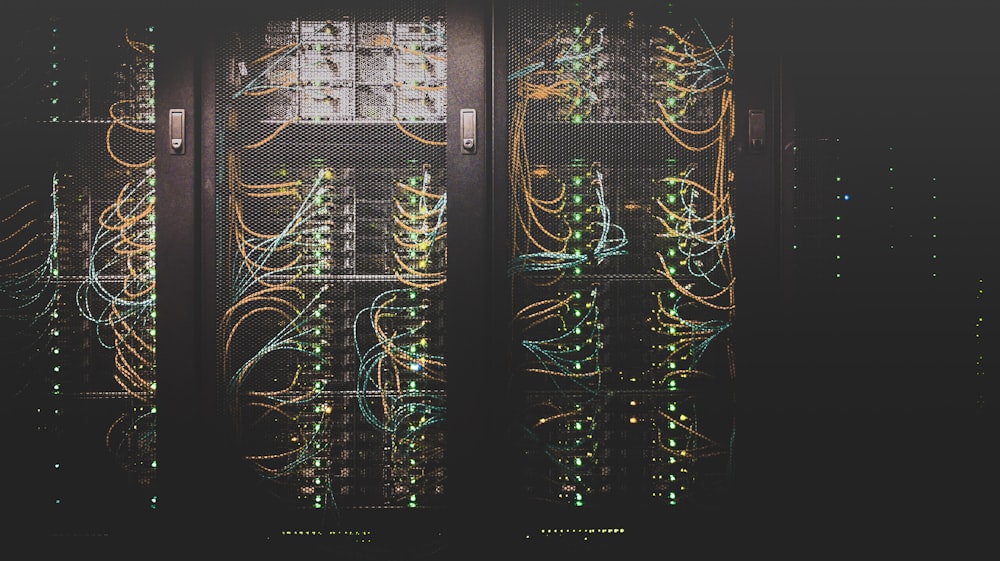

Lightning-fast direct connections
Network Infrastructure

How Peering Works

Understanding the flow of data through peering connections and how it benefits network performance.

Global Network Connections
Live Network
1

Direct Connection Establishment

Networks establish direct physical or logical connections without intermediary transit providers.

2

Route Exchange

BGP (Border Gateway Protocol) is used to exchange routing information between peer networks.

3

Traffic Optimization

Data takes the most efficient path, reducing latency and improving user experience.

Why Choose Peering?

Discover the compelling advantages that make peering an essential strategy for modern network infrastructure.

Reduced Latency

Direct routing between networks leads to faster connections and smoother user experiences with minimal delays.

Cost Efficiency

Minimize dependence on expensive transit providers by using direct peer connections for mutual benefit.

Improved Performance

Peering improves route control, reduces congestion, and increases overall network reliability and stability.

Enhanced Security

Direct connections reduce exposure to potential security threats present in transit networks.

Better Control

Greater control over routing decisions and traffic engineering for optimal network performance.

Scalability

Easily scale network capacity and accommodate growing traffic demands through strategic peering.

Types of Peering

Choose the peering method that best fits your traffic profile, network architecture, and business requirements.

Public Peering

Takes place at Internet Exchange Points (IXPs) with multiple peers connected through shared infrastructure. Cost-effective for connecting with many networks simultaneously.

Multiple connections via IXPs
Shared infrastructure costs
Ideal for general traffic
Public Peering Infrastructure

Private Peering

Direct physical connections between networks, ideal for high-volume or latency-sensitive traffic. Provides dedicated bandwidth and enhanced security.

Dedicated direct connections
Enhanced security & control
High-volume traffic optimization
Private Peering Infrastructure

Our Peering Impact

Real numbers that demonstrate the effectiveness of our peering infrastructure.

50+
Active Peering Partners
40%
Latency Reduction
30%
Cost Savings
99.9%
Network Uptime
Lets talk about interconnection for your business and solutions
Reach Out Now